I won't make you read to the end to find out. The answer, unfortunately, is a resounding Yes.
The first time that my undeveloped rolls were damaged by airport security CT Scanners was February, 2023. I had been living in Amsterdam for a little over a year at the time, and took a flight from Amsterdam to Brazil on what would be my first visit to my home country in almost six years. I was prepared to document it all - I think I took about 23 rolls of film with me on that flight, all to shoot personal work. My ambitious (and rather unreasonable) plan was to take portraits of every single person I had ever known and ever missed, and to document every place that was dear to me.
In early 2023, airport CT Scanners were new and still relatively unknown - Schiphol (Amsterdam's Airport) was one of the first major airports to install them, and very little was known about their effects on film at the time. I clearly remember going through security on that day and thinking, naively, how convenient it was that I didn't have to take my liquids and electronics out of the suitcase. Protecting my rolls didn't even cross my mind - I had been flying with film for almost a decade by then without ever asking for hand checks, and had never had a single issue (granted I never shot anything above ISO 800).
And then things went terribly wrong.
A little over a month and 23 film rolls later, I received my scans back from Carmencita Lisboa. Roll after roll after roll of what looked like extremely underexposed, poor quality images. I could not believe my eyes. To give some context, I am extremely careful about exposure. I strongly believe that good exposure is the single most important element of film photography, just as I believe composition is the most important element of photography as a whole (regardless of medium); I never photograph on auto except when using a point and shoot, which I use rarely and hadn't used on that trip, and my light meter is almost as important to my process and the camera itself. So the idea that I could have ruined rolls and rolls of film with poor exposure was just hard to grasp.
At first I thought I would maybe have to accept the fact that Brazilian light had tricked me somehow. It looked like the only possible explanation. That the rolls were expired was very unlikely, as I had purchased them just before the flight and remembered double-checking their expiration date, which I always do and everyone should do, too. There was a tiny possibility that they had been exposed to extreme heat, but that theory didn't feel quite right - the results I was seeing were different from anything I had seen on film before - the scans looked muddy, flat, slightly out of focus and with a large, noisy grain that looked anything but analog, with a strange magenta tint. It all just felt very off.
Solving that mystery became my main goal for a while, and I started sending test roll after test roll to Carmencita Lisboa - all scans came back perfectly fine. It was only a few months later, in July, when the team from Carmencita Film Lab in Valencia traveled to Amsterdam to test the effects of Schiphol's CT Scanner's on film rolls, that I realised what had happened to my images. The effects were extremely similar (even though, unfortunately, much more visible on my scans, most likely because of the light conditions). Mystery solved.
Keeping your film rolls safe when traveling
I started asking for hand checks on every flight out of Amsterdam ever since, and was lucky enough that security at Schiphol is unfailingly kind and considerate and never blinked an eye (even when my rolls filled up half the tray). At the time I thought I could recognise a CT Scanner machine (they're generally big and bulky, with a cylindrical outer part), but I was fooled once on an Eurostar trip from Amsterdam to London - their CT Scanner machines look exactly like an X-Ray machine. The effect was thankfully barely noticeable this time around, but I learned my lesson and have been asking for hand checks on every single trip ever since (so far, I have only been denied the request at the airports in Portugal, both in Porto and Lisbon, although the rules changed last year and they're now obliged to accept hand check requests of film rolls - but not cameras).
Study your scans regularly for signs of CT Scanner damage
I became quite good at recognising the effects of CT Scanners on images, and I have occasionally spotted it in situations where I hadn't been through any airport myself, meaning the roll was affected before I had purchased it. After a few of these bad experiences, I started buying my film from one single trusted supplier and haven't had any issues since.
Airports are installing CT Scanners at an alarming speed, so I don't think there's any reason to let your rolls go through any machine, even if you think you're safe.
This linkis extremely useful. Check it before flying to double-check if the airport has already installed CT Scanners and to see how it normally responds to hand check requests (the link is constantly being updated and you can send your experience as well).
What can you expect (and do) if your rolls ever go through a CT Scanner accidentally?
If you ever know or suspect that your unexposed rolls went through a CT Scanner, my first advice is to overexpose your film by at least a full stop and try to shoot in bright, low-contrast situations. Avoid high-contrast or low-light situations as much as possible.
In short, try to give your film the highest possible amount of light you can without pushing it too far (this will depend on the film stock, but if you're shooting Portra 400, for example, you can easily go up 3 stops). The effects of CT Scanners are much more noticeable in the shadows or darker parts of the roll, so try to always place important subjects in the light.
I would also recommend treating your rolls with extra care so that no further damage is caused (for example, try not exposing it to any heat and keep it in the fridge as much as possible until you're ready to develop, as heat can further degrade the roll and make things worse than they are).
I also advise against pushing those rolls - in my experience, the effects become more visible when film is pushed.
Adapt your expectations - know that your film will be affected and you may not get the brightest, sharpest scans out of these rolls, so focus instead on working with what you've got - we have all photographed the occasional expired film, I'm sure, and there's beauty in that, too. The images I took in Brazil are still some of my most treasured. And, truth be told, if you don't know what the image was “supposed” to look like originally, you may actually have a hard time recognising the issues at all.
I think photographing on film invites us to have a certain level of acceptance - the unknowns and the unexpected turns are part of the beauty of any analog journey, even when we are very technical and meticulous in our practice (I have a few friends who are ceramists and I love that they say the same thing about their own craft).
What about shipping film to the lab?
This is a bit trickier as I think it'll depend on the route and courier used, so I can't say for sure if packages go through CT Scanners when flying, but I have been using DHL's 24-hour delivery shipping for years now without a single issue, and the team at Carmencita Lisboa also confirmed they never had a case where film was put through a CT Scanner by the courier. I also add Kodak's “DO NOT SCAN” stickers to my parcels before shipping as an extra precaution.
Lead Bags (and do they work?)
I started using one of those about two years ago and they're quite handy (and really do protect your film, even when going through CT Scanners), but I don't use them as my first option because I can't really know how security will react to them, even if all my experiences so far have been good. If you do use them, I recommend putting directly in the tray with the film inside. Once it goes through the scanner, if they flag it just explain this is used to protect the film. At an airport in Sicily they explained to me that these show up on their screen as a laptop/electronic device. But, again, I recommend always asking for a hand check as your Plan A.
What if I still have a roll of film inside my camera?
You can ask them to hand check your cameras, but not all airports agree to this. I've been refused a camera hand check in Portugal and at the Eurostar in Brussels, so this will vary per airport/station. Currently I will try to finish all my film before traveling, but you can always wait and ask and then rewind the film mid-roll before going through the scanner in case of a negative. I just try to avoid this as it's an added stress to an already stressful situation (and can take quite some time if your camera only rewinds manually).
How can I know it it's a CT Scanner or not?
It's not always easy to recognise CT Scanners. They used to be huge tube-shaped machines (you can still see those at Schiphol and other main airports), but the CT Scanners installed in the Eurostar stations in Brussels and London look exactly like a regular X-Ray: a boxy machine that looks like it's 10 years old but is actually a modern CT Scanner. The best way to know if a machine is a CT Scanner or not is to ask staff, but staff doesn't always know what you're talking about, unfortunately. You can also check this amazing website before flying. Although their list is not fail-proof as it depends on reports from travellers, it's an excellent place to start.
CT Scanner Film Damage
Can CT Scanners really ruin your film?

Above, one of the portraits I took in Brazil of my great-uncle (the only other photographer in the family), who has sadly since passed away. The muddy colours and lack of sharpness are a very clear sign of CT Scanner damage.
Below are a few more examples of scans where the effect can be clearly seen.


All the images above suffer from the same type of damage - lack of definition and contrast, and a muddy, orange-tinted tone overall.
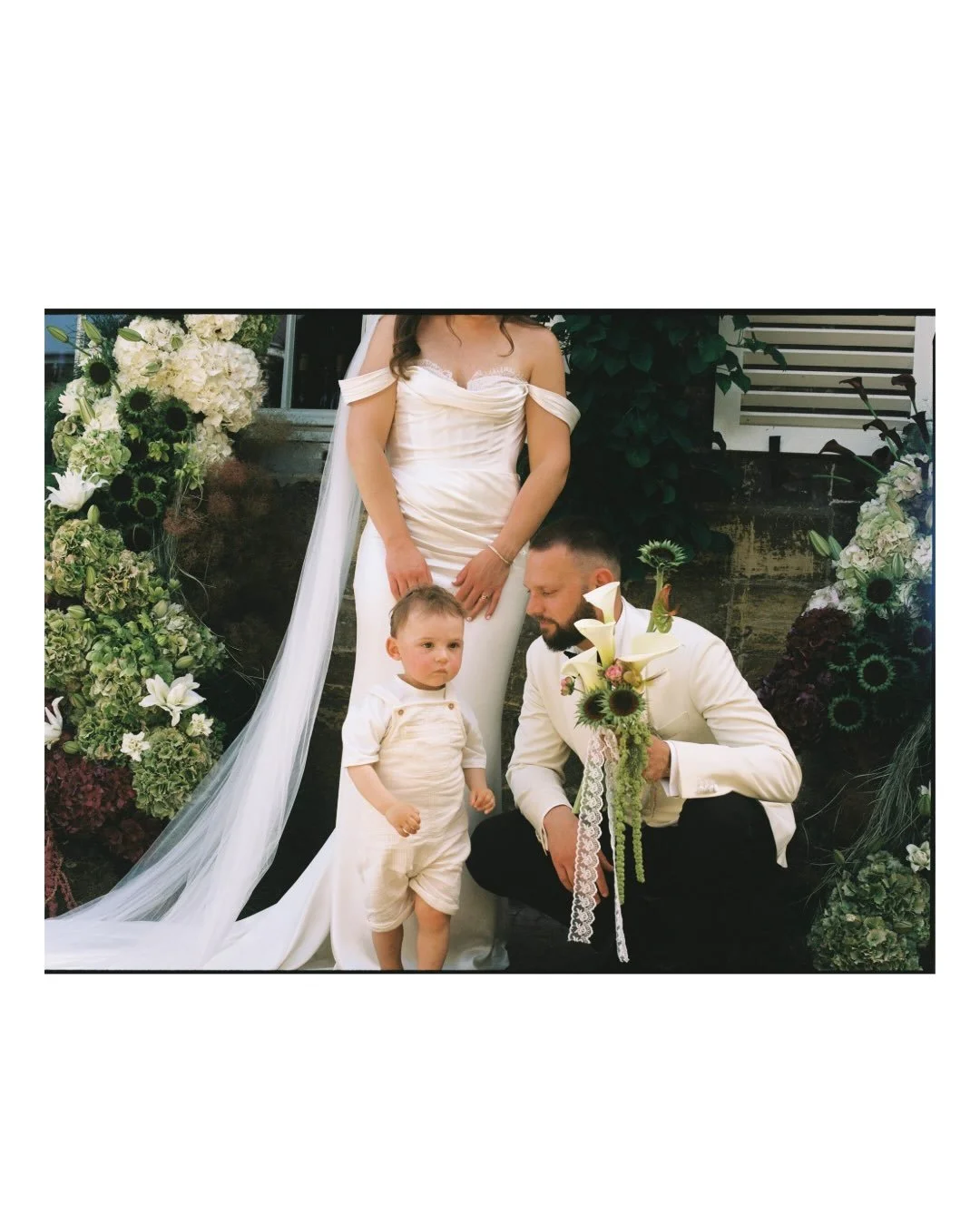
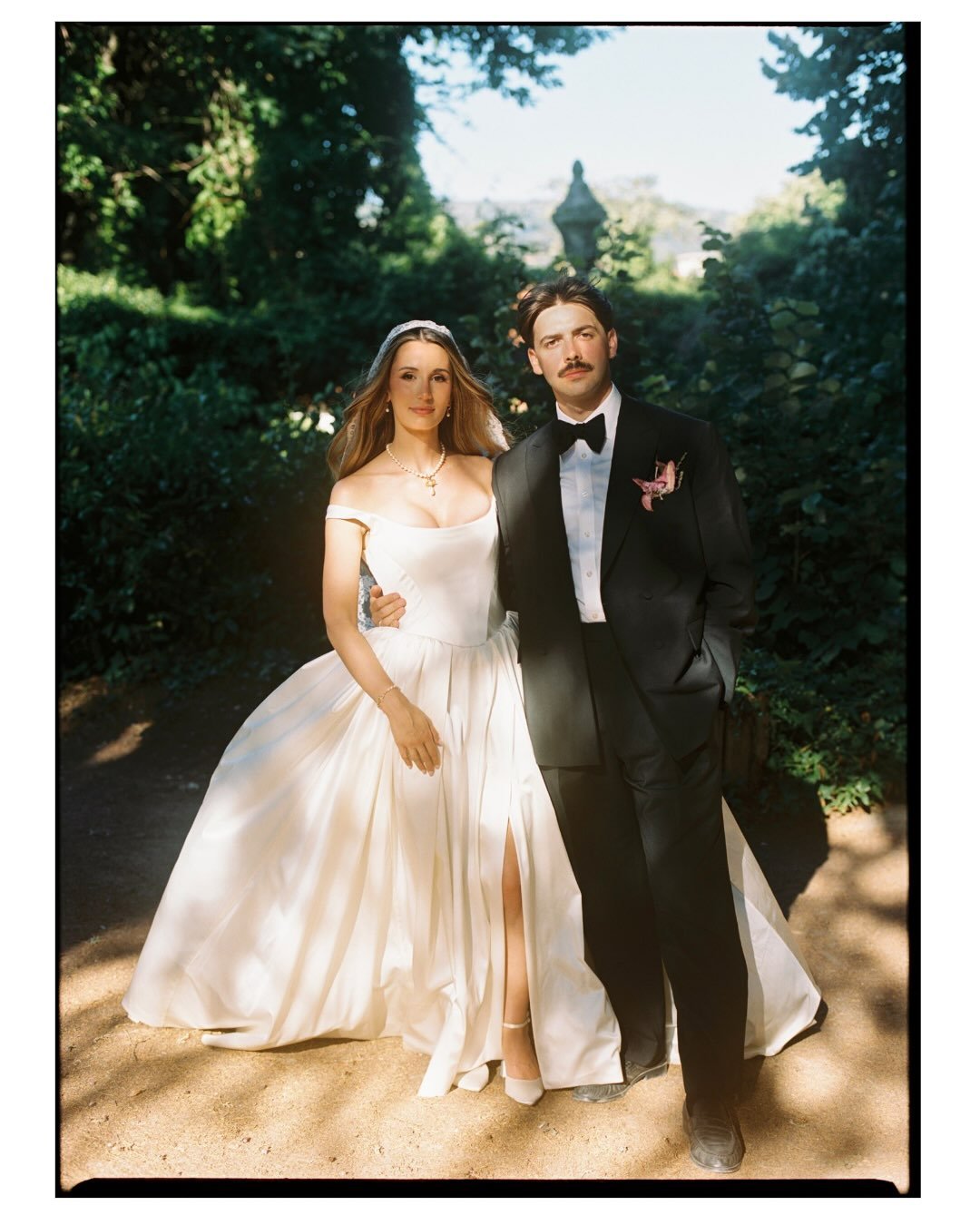
For bright or overexposed images like the ones below, the effect is much more subtle and mostly noticeable on the lack of sharpness and fine overall detail. The images just look low resolution and the grain looks rough and clumped, as if the photo was taken with a really bad lens (these were taken with a Konica Hexar AF).


@juliajardimphoto