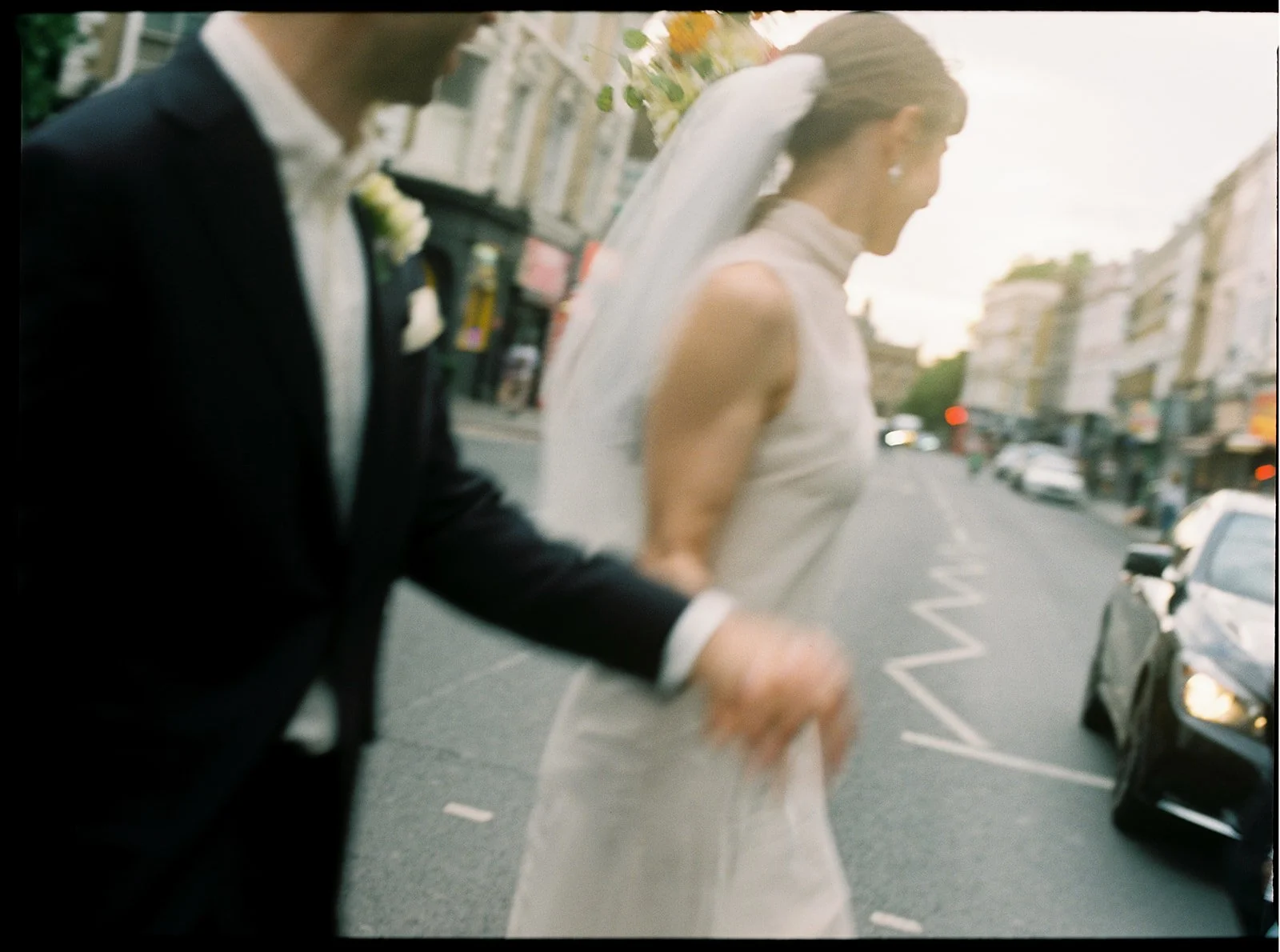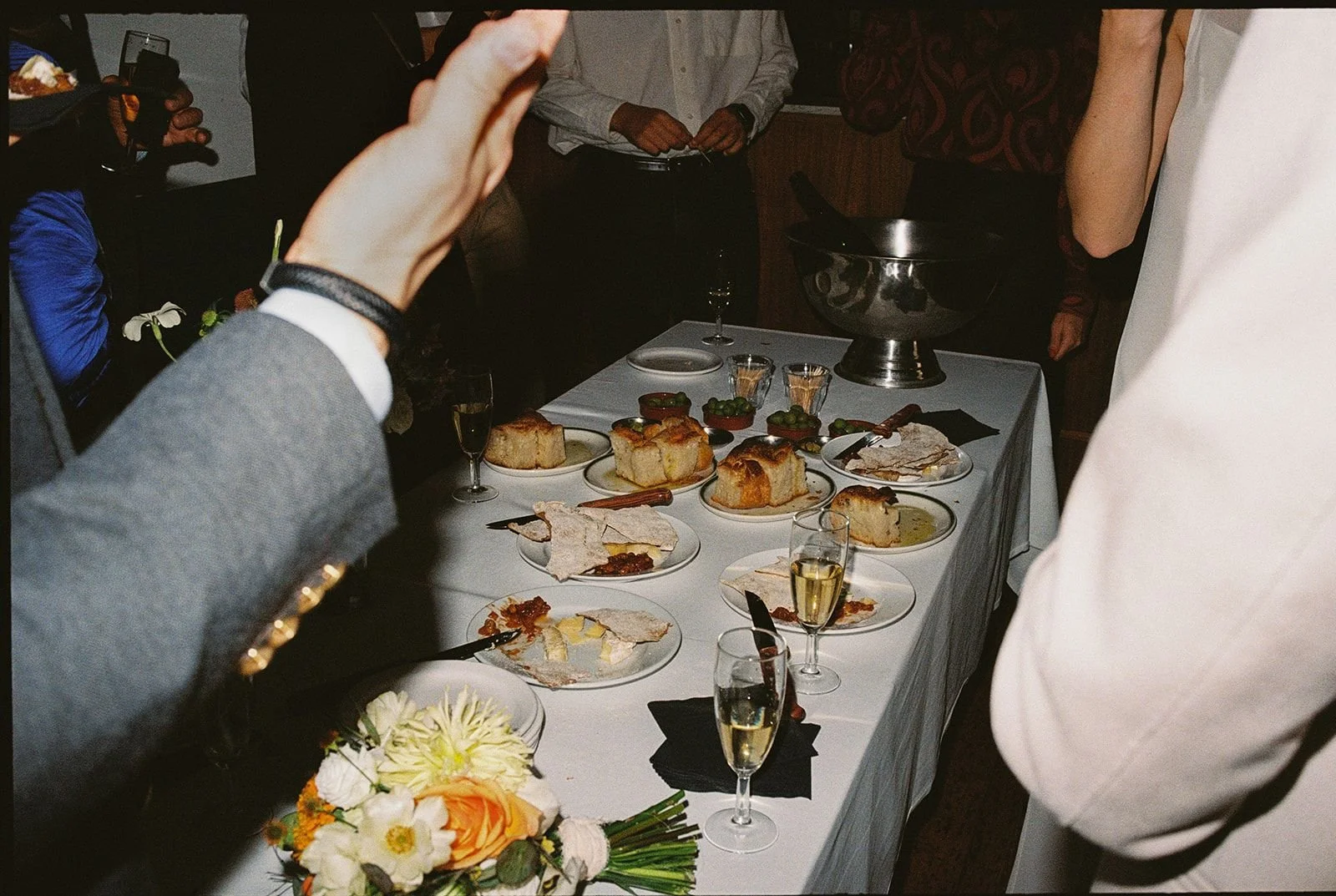
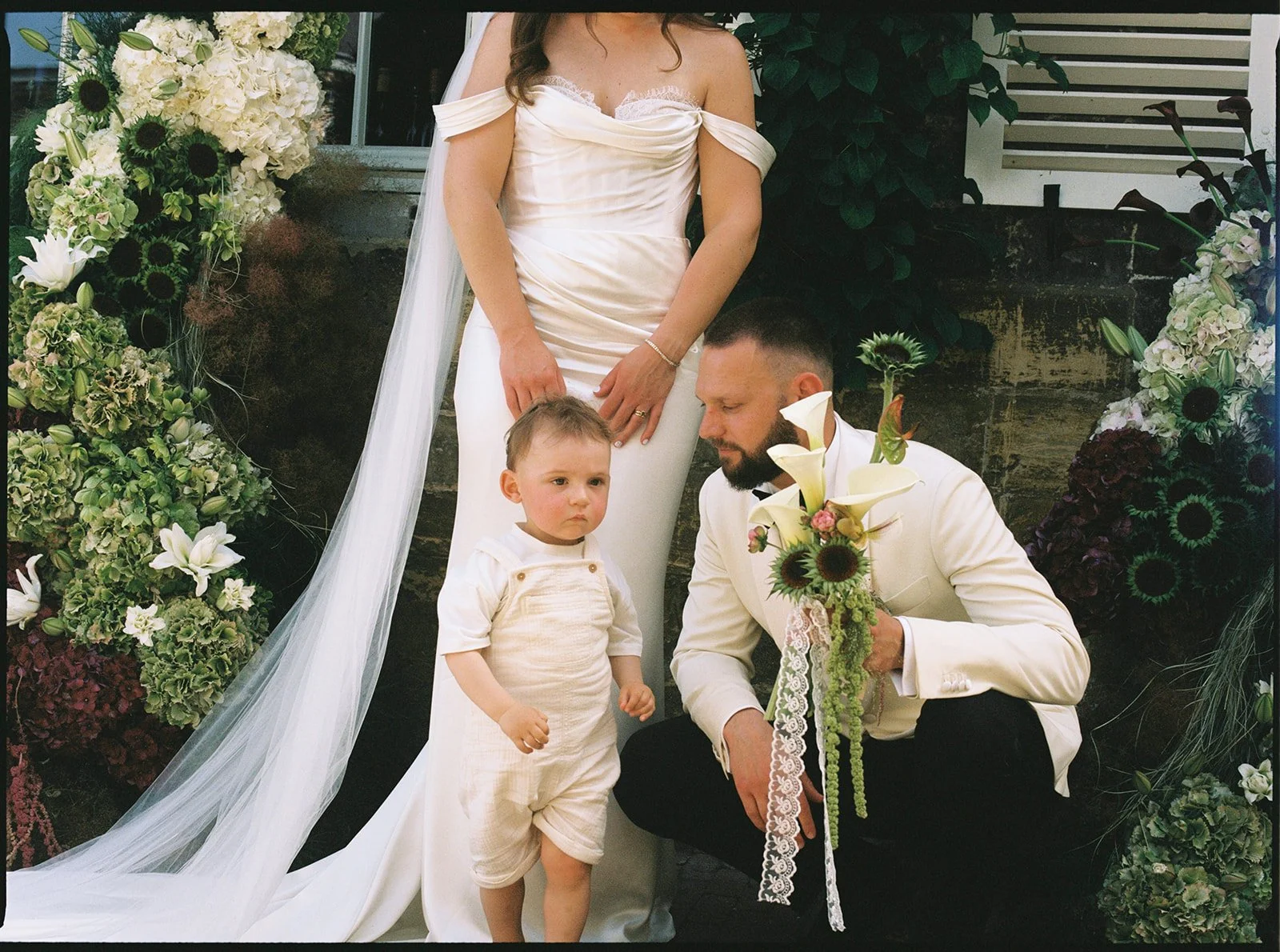
Julia Jardim is a Lake Como wedding photographer. Julia works exclusively with 35mm and medium format film. With a strong artistic voice, a focus on quality over quantity and a commitment to making time, attention and care the centre of her photographic approach, Julia's Lake Como Wedding photos look spontaneous, authentic and unique.
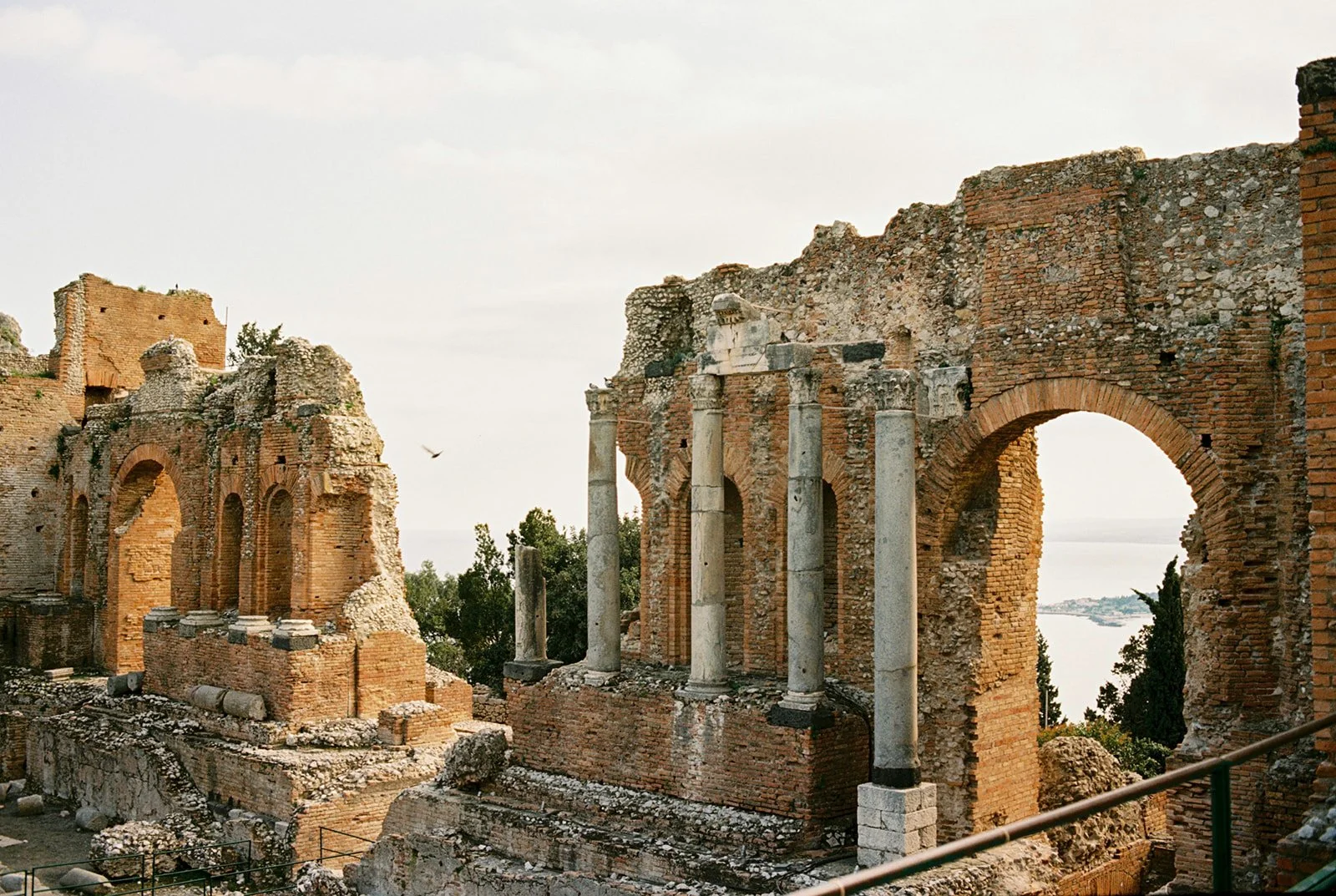

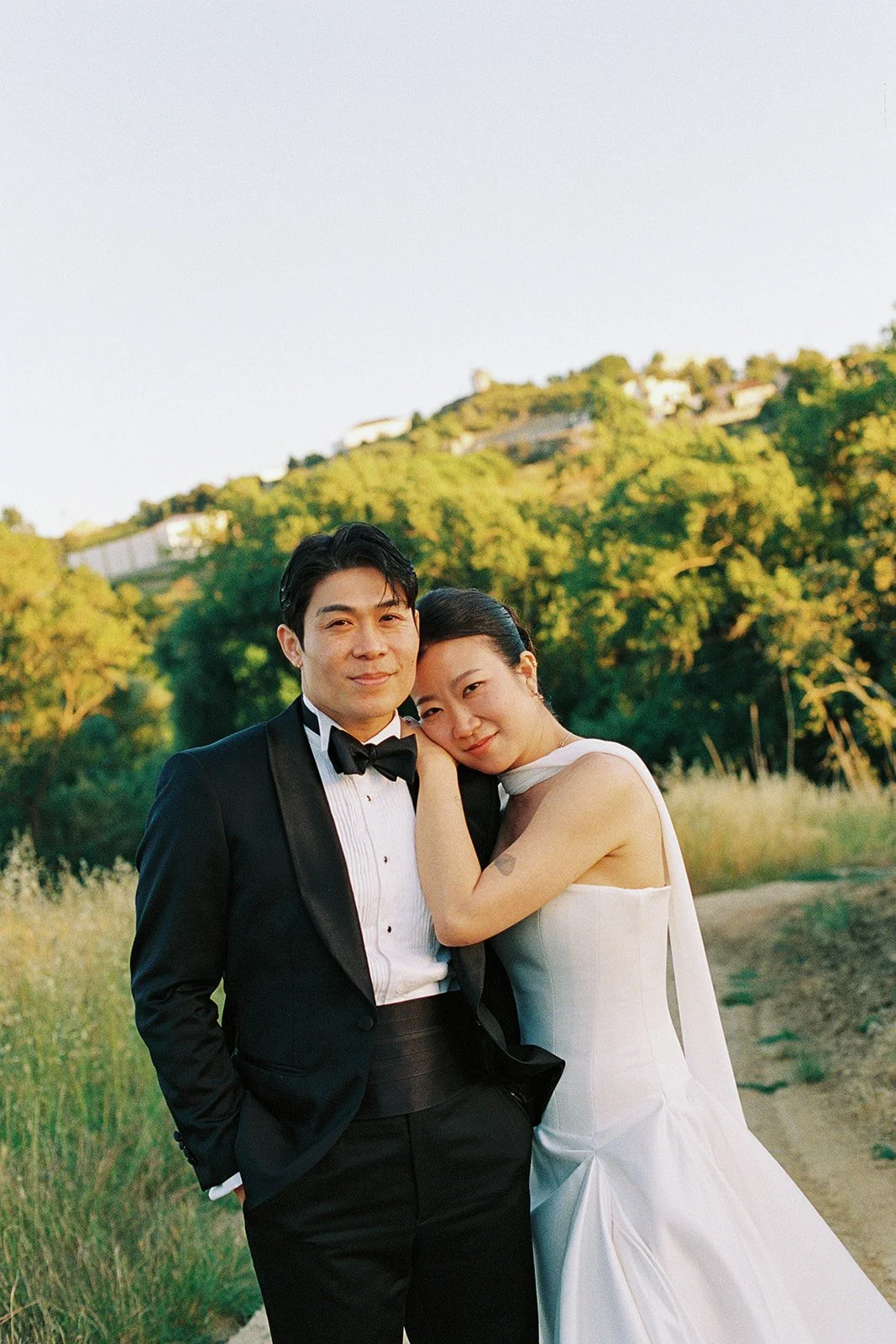
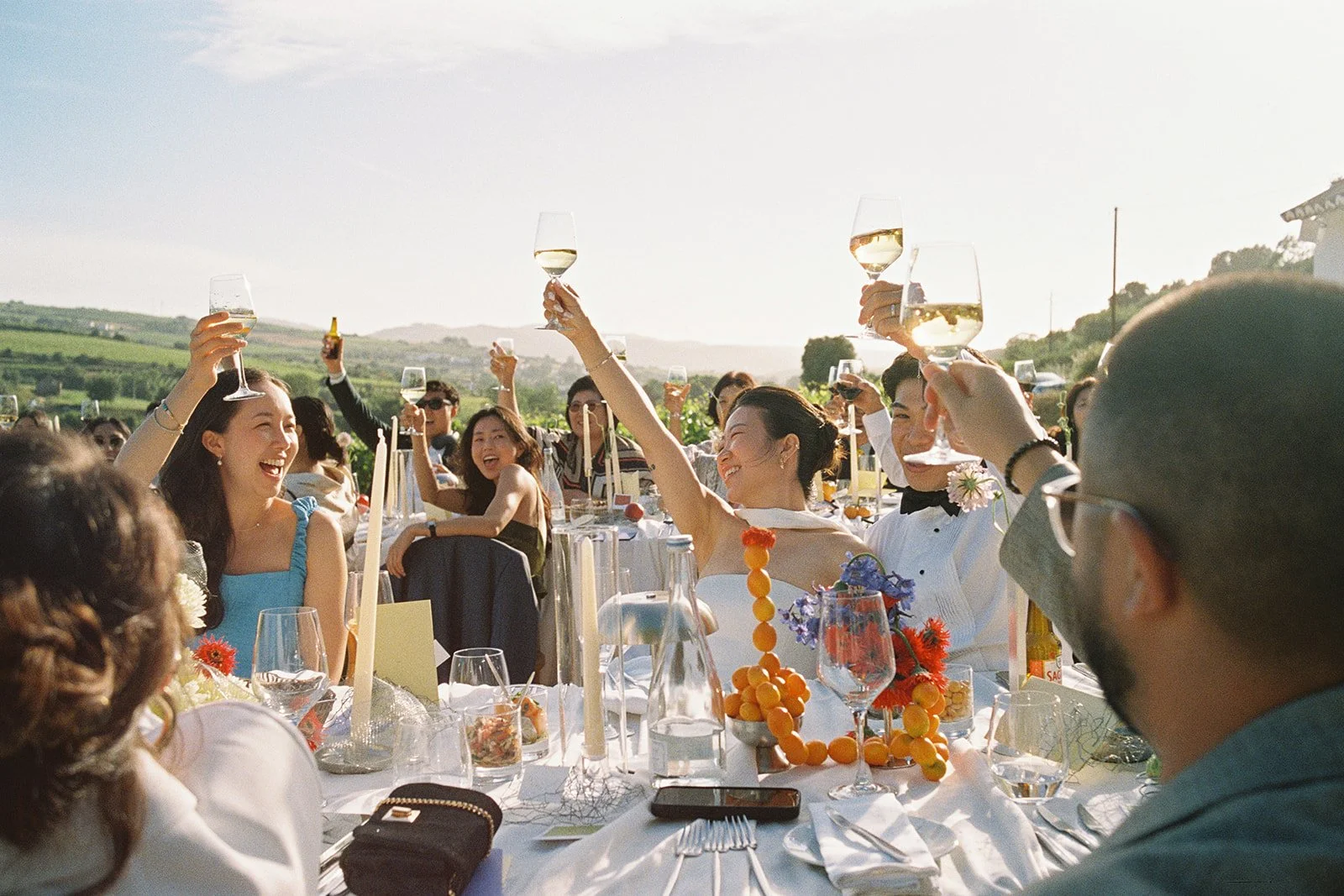
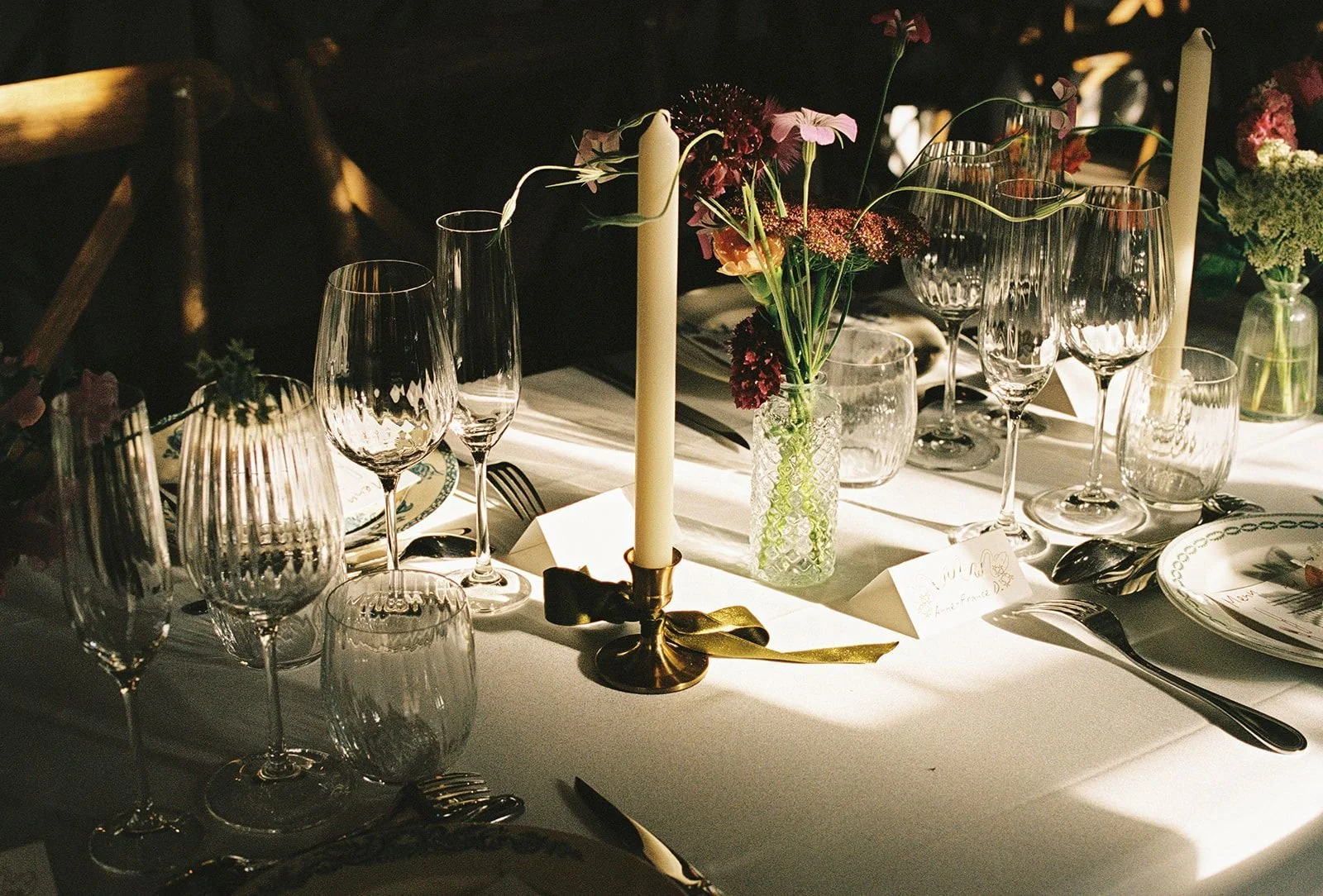
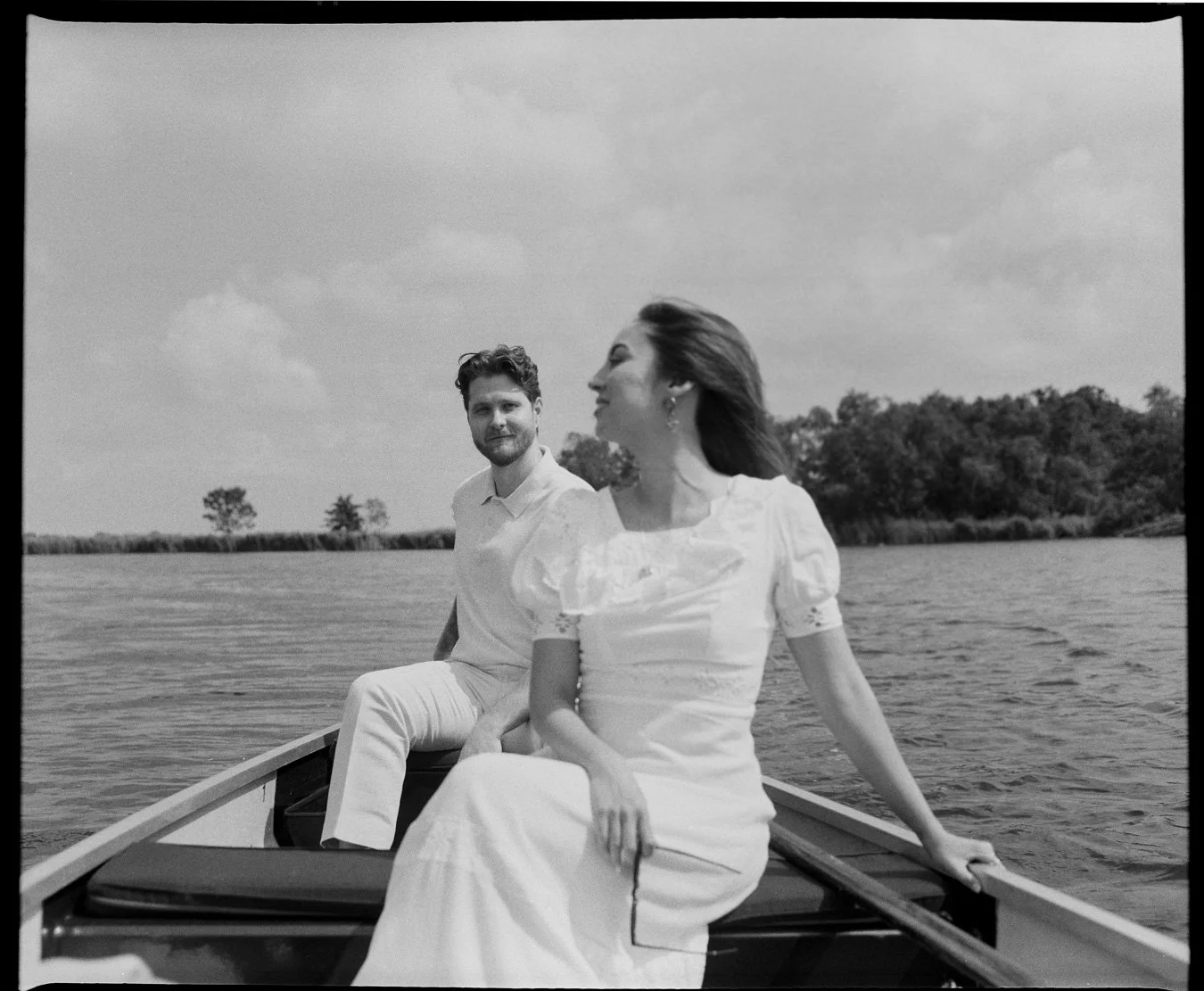
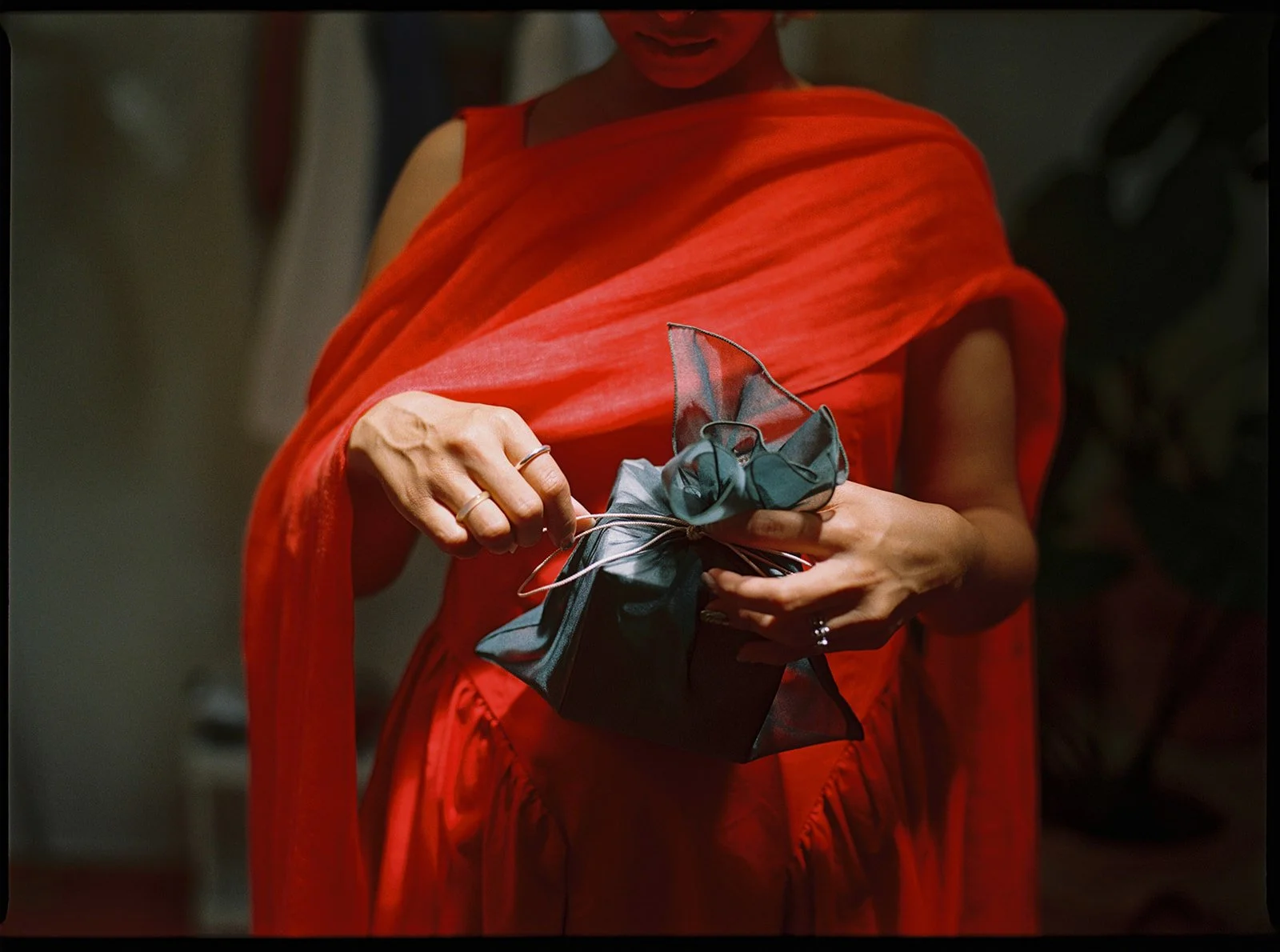
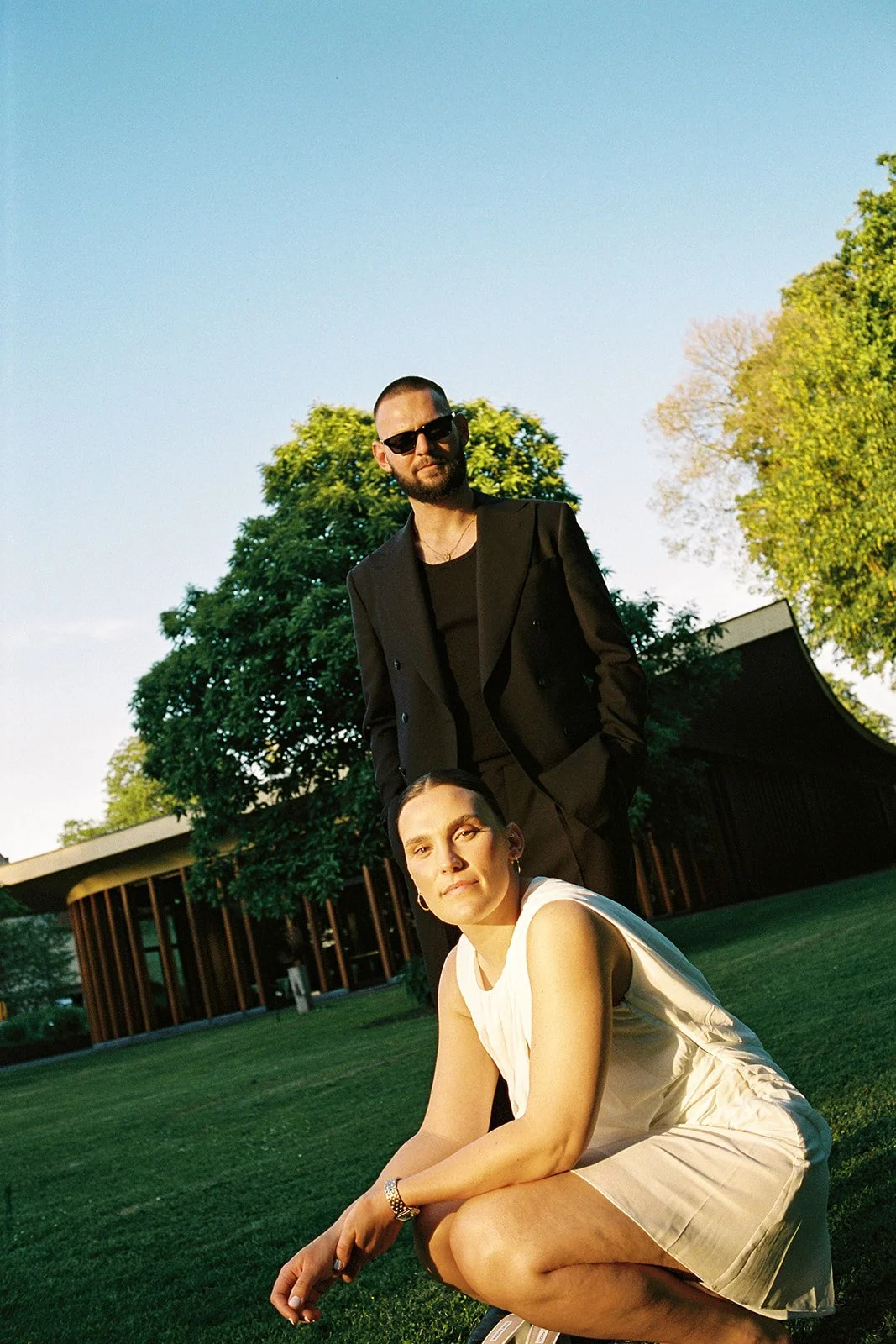
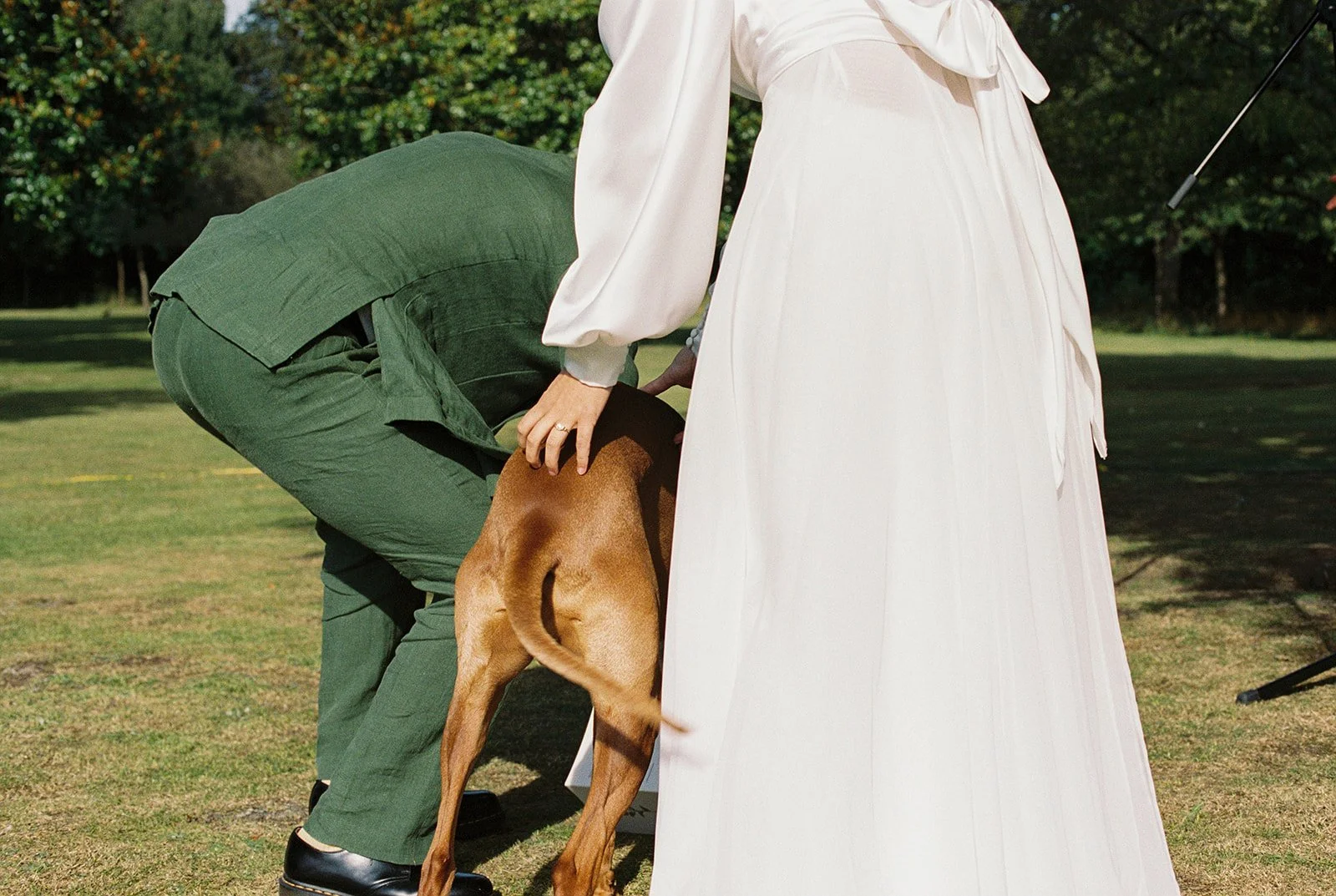
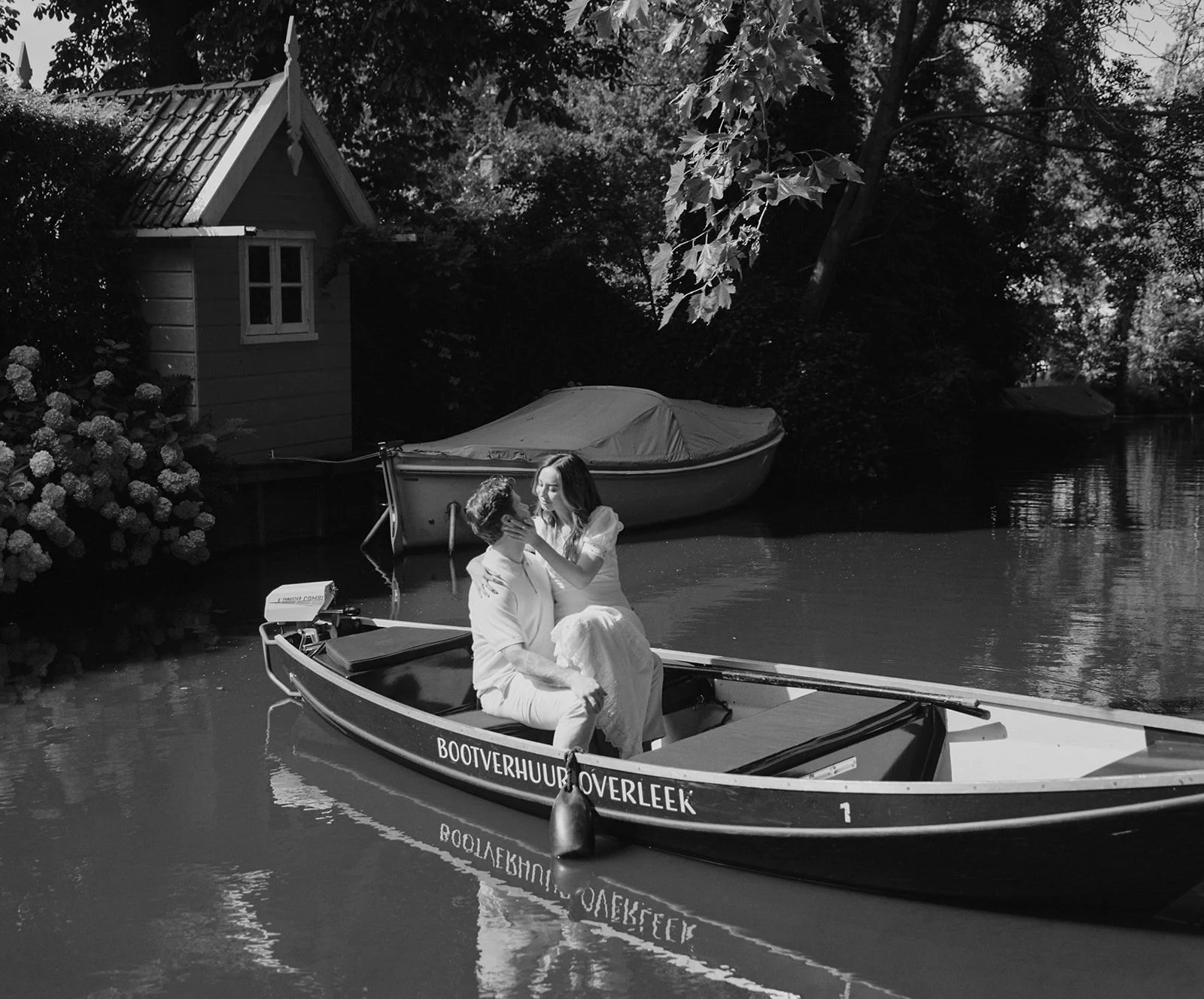
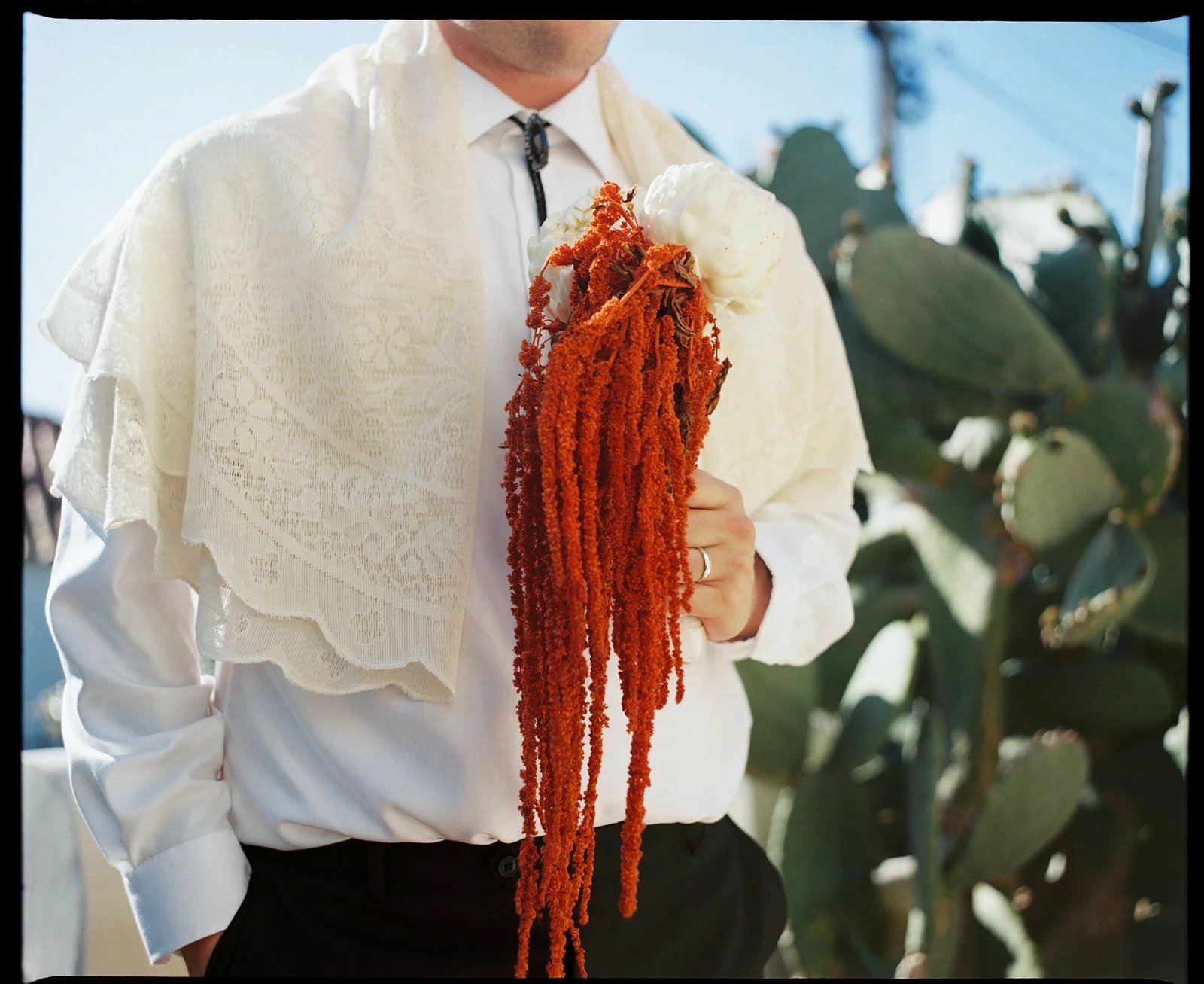
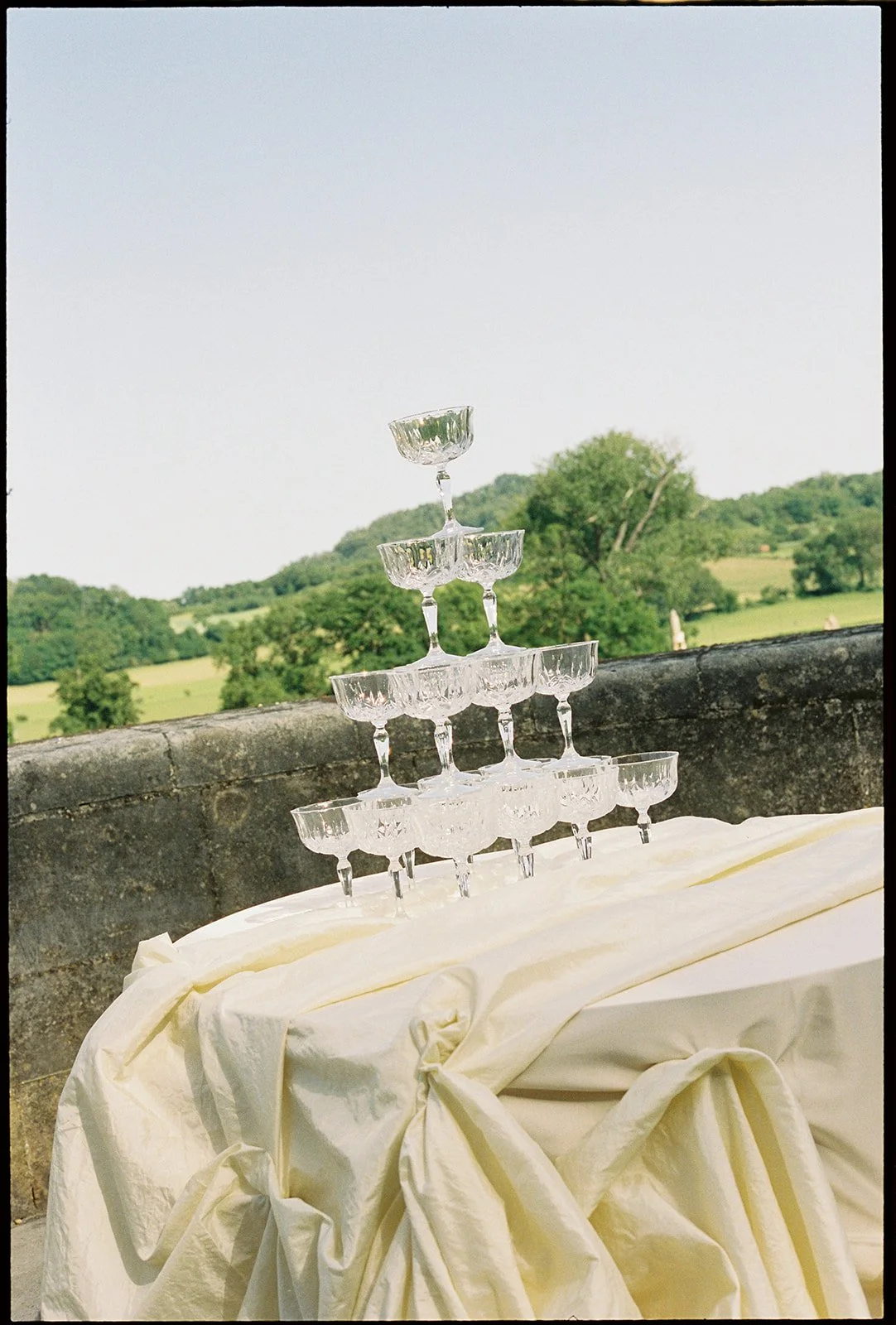
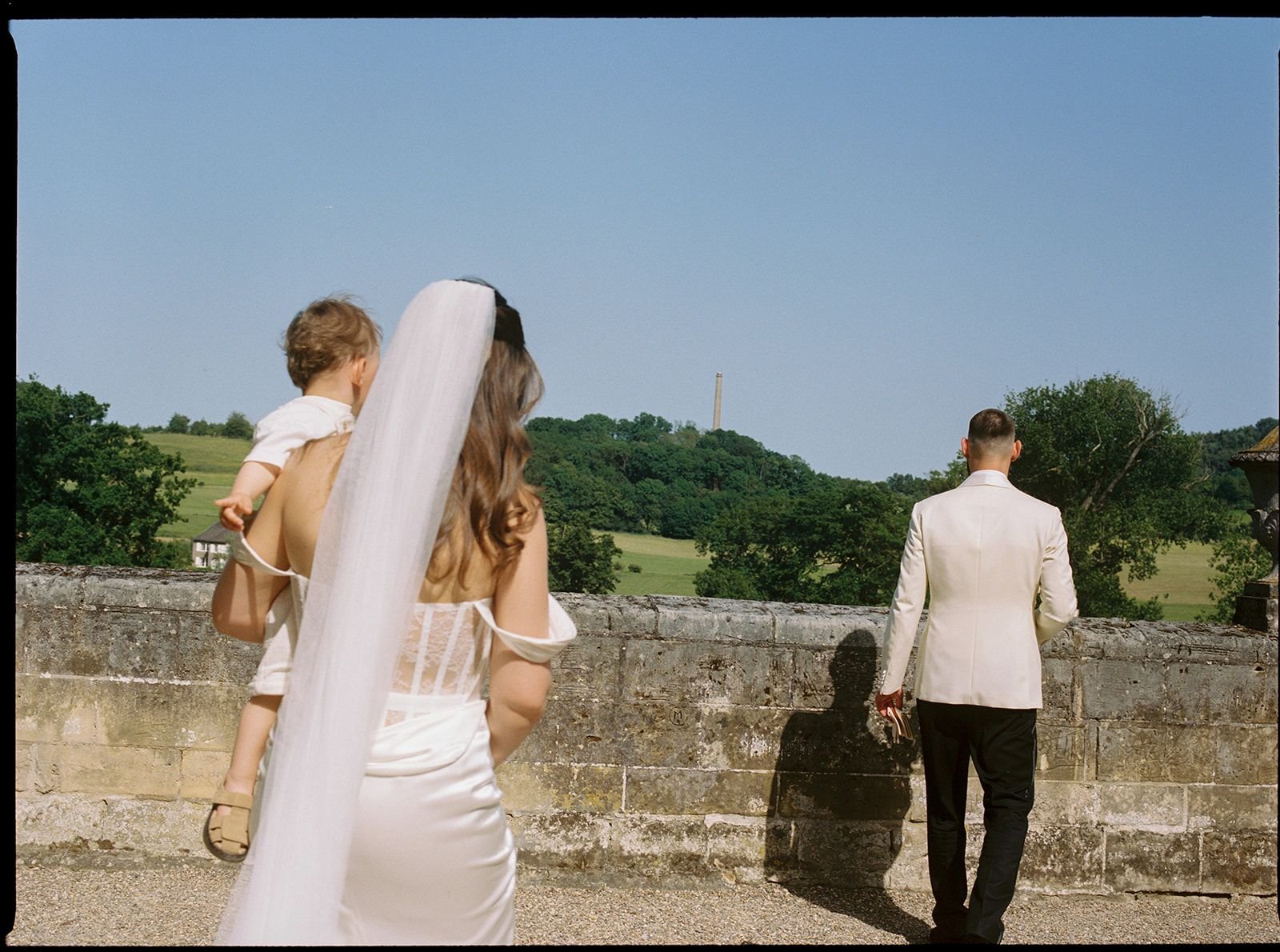
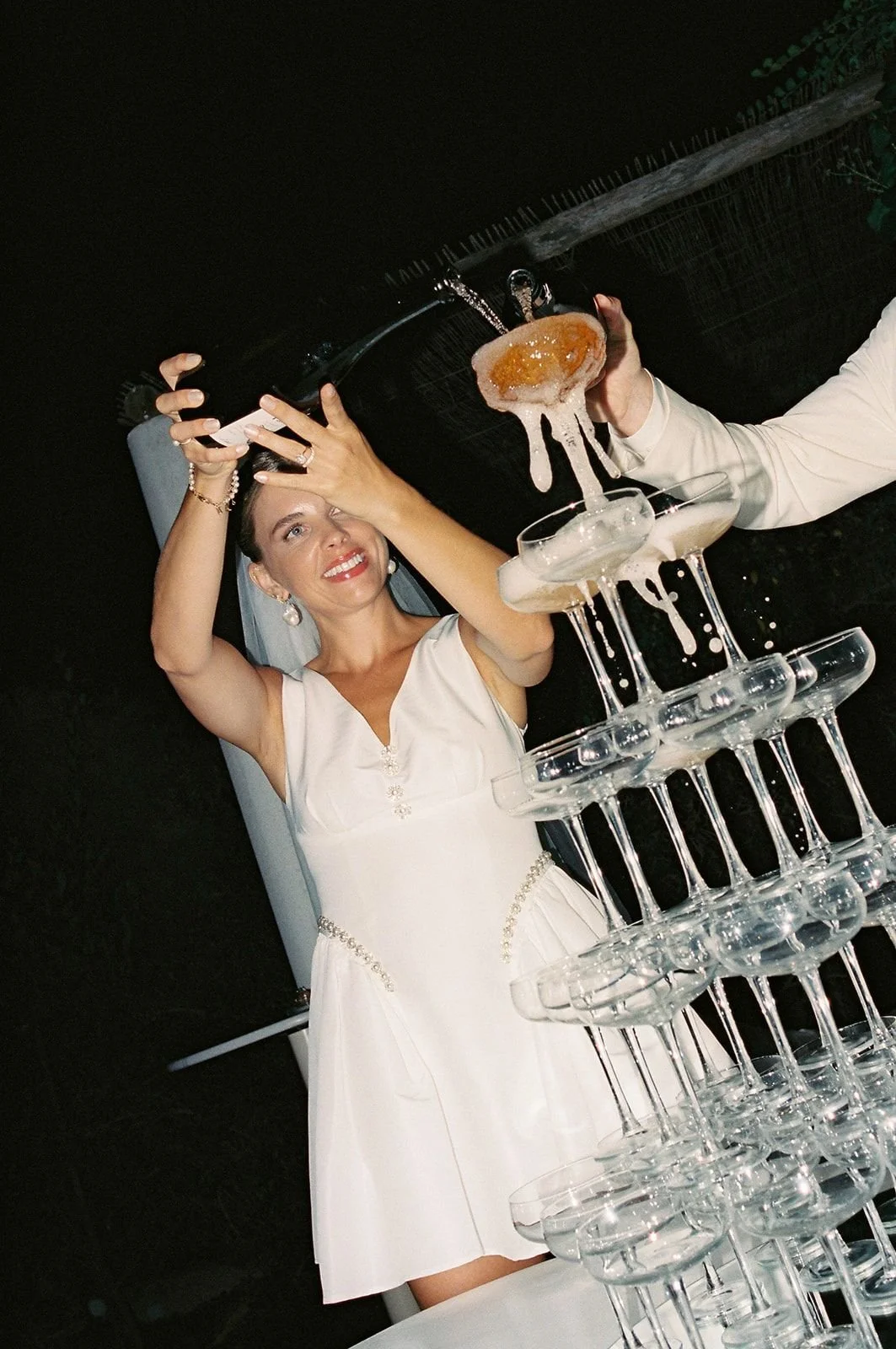
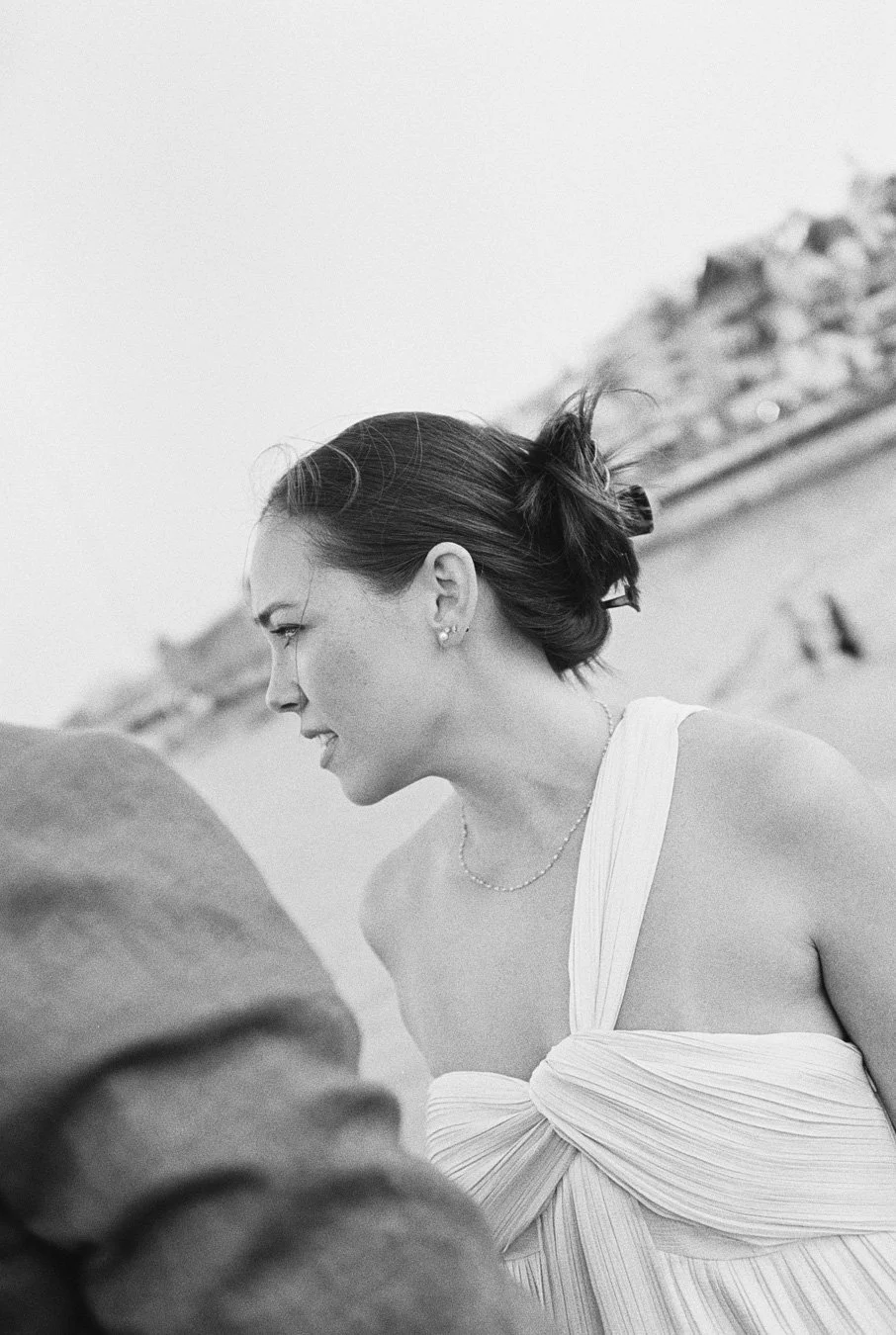
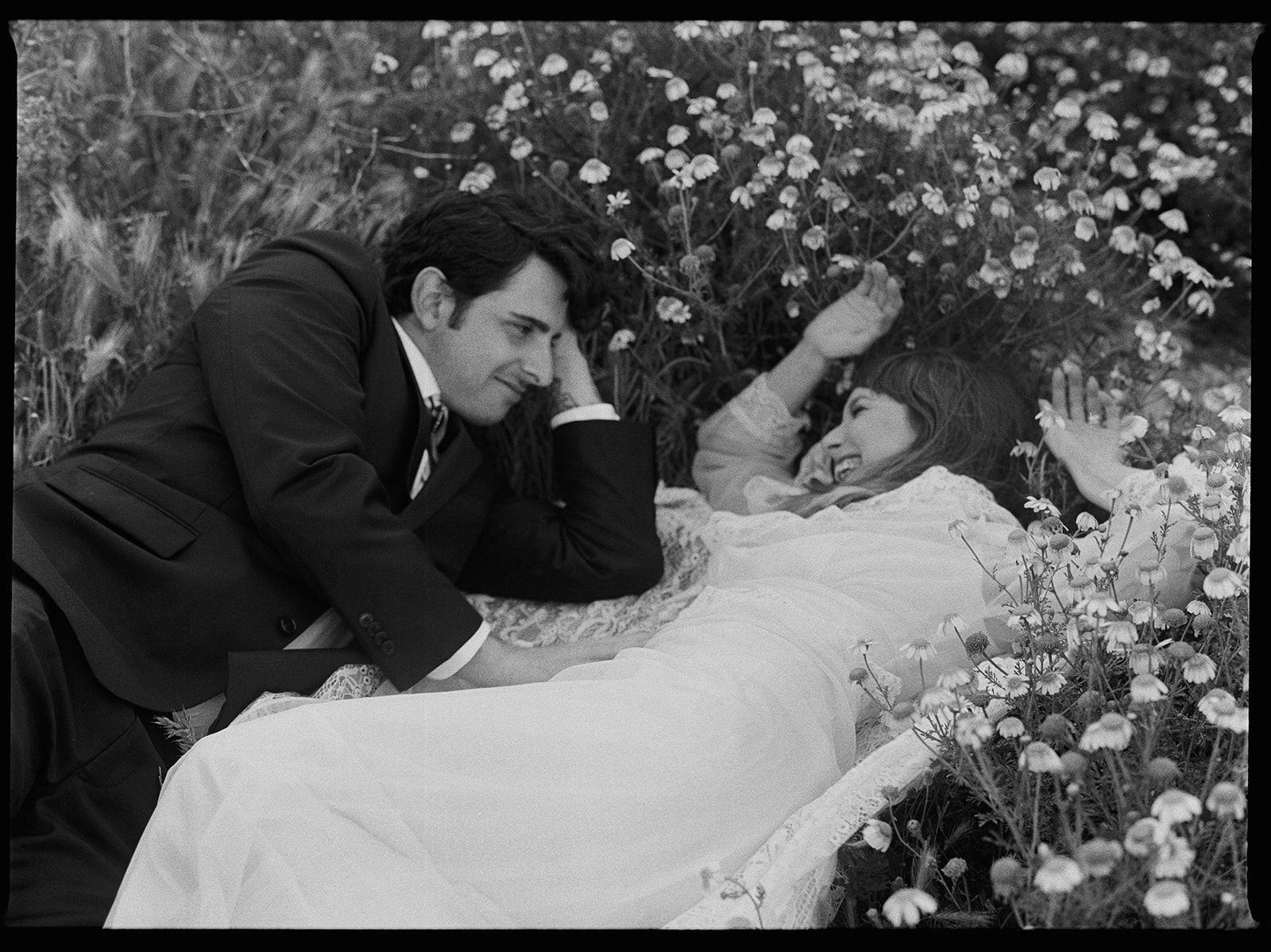
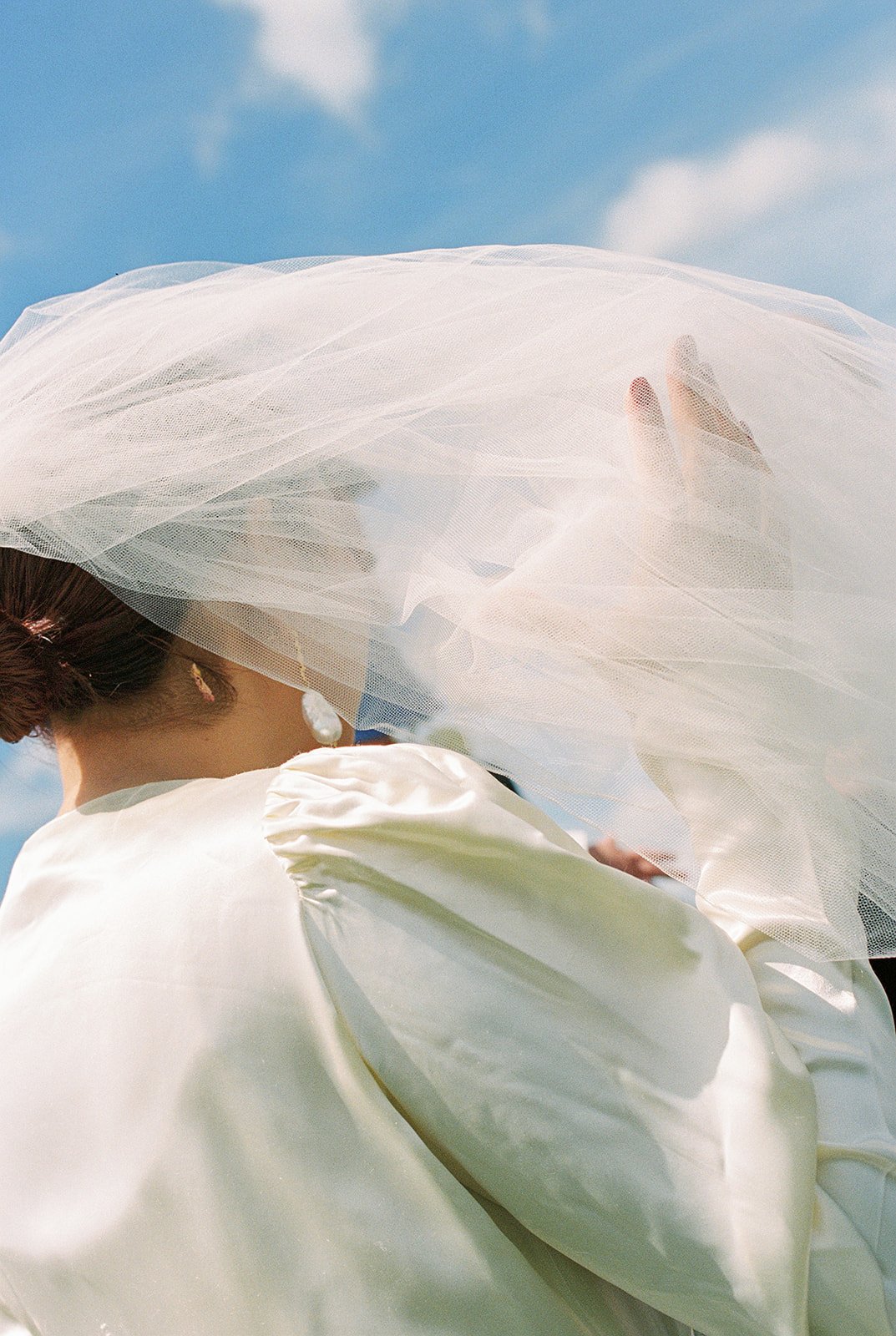
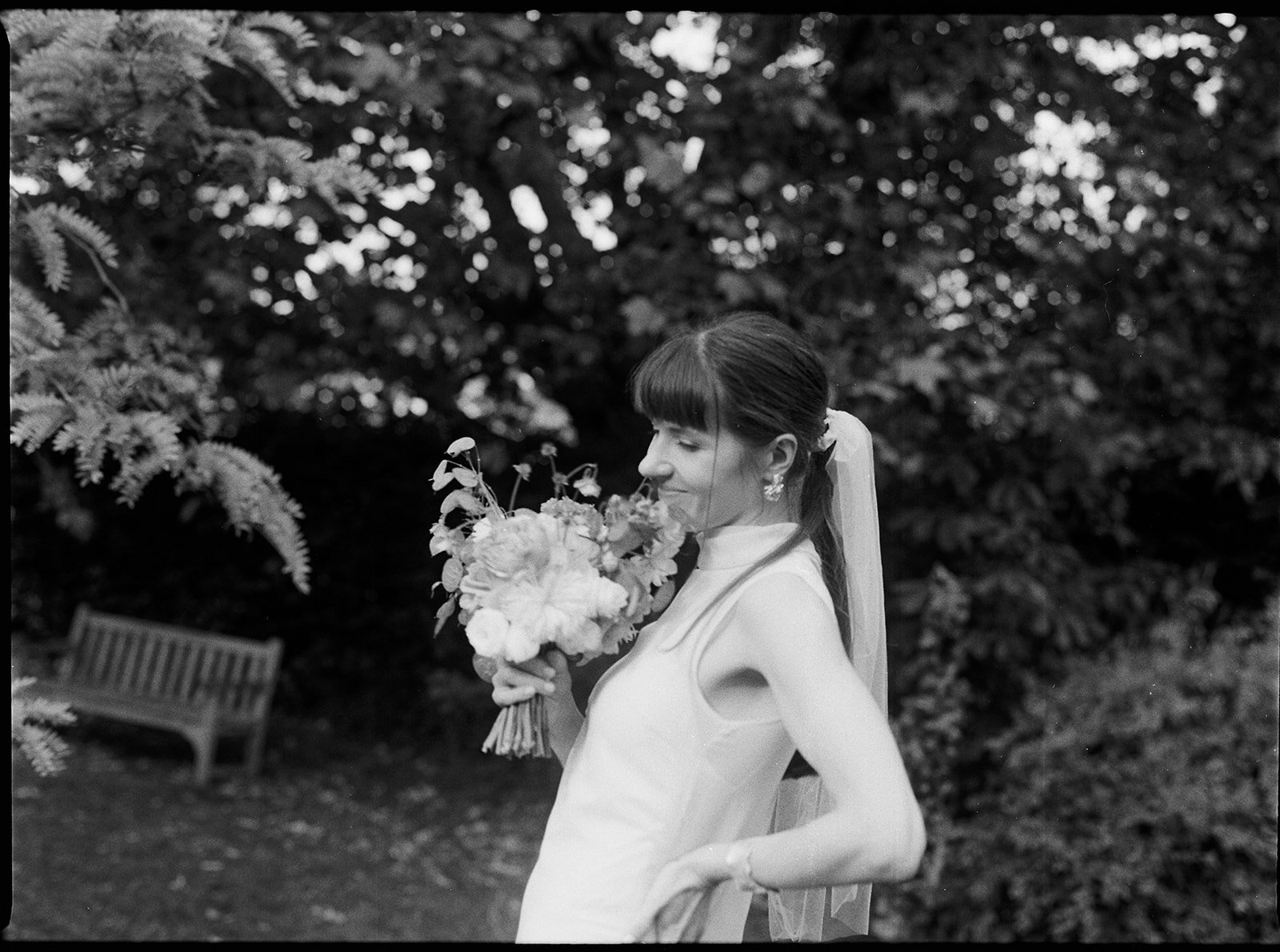
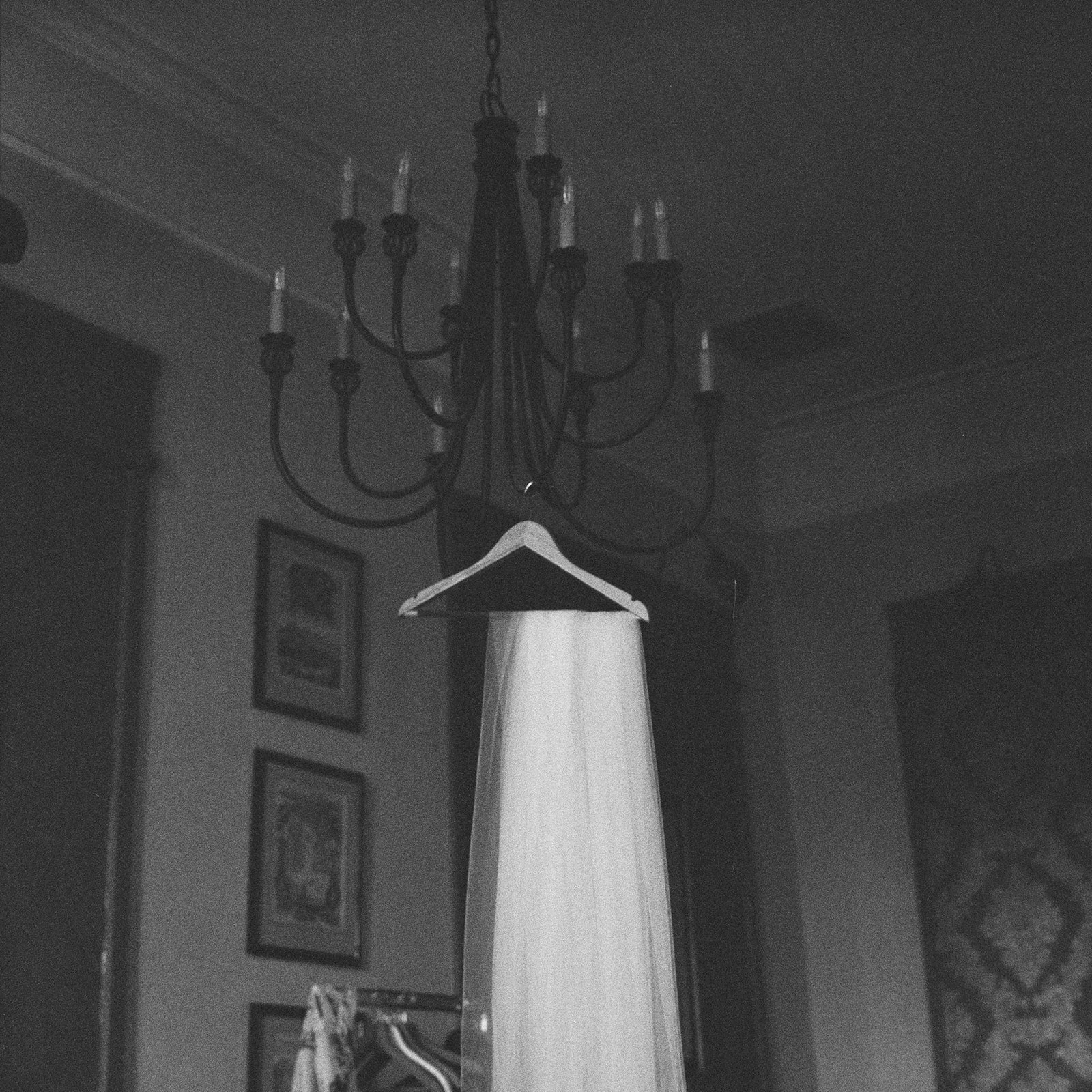
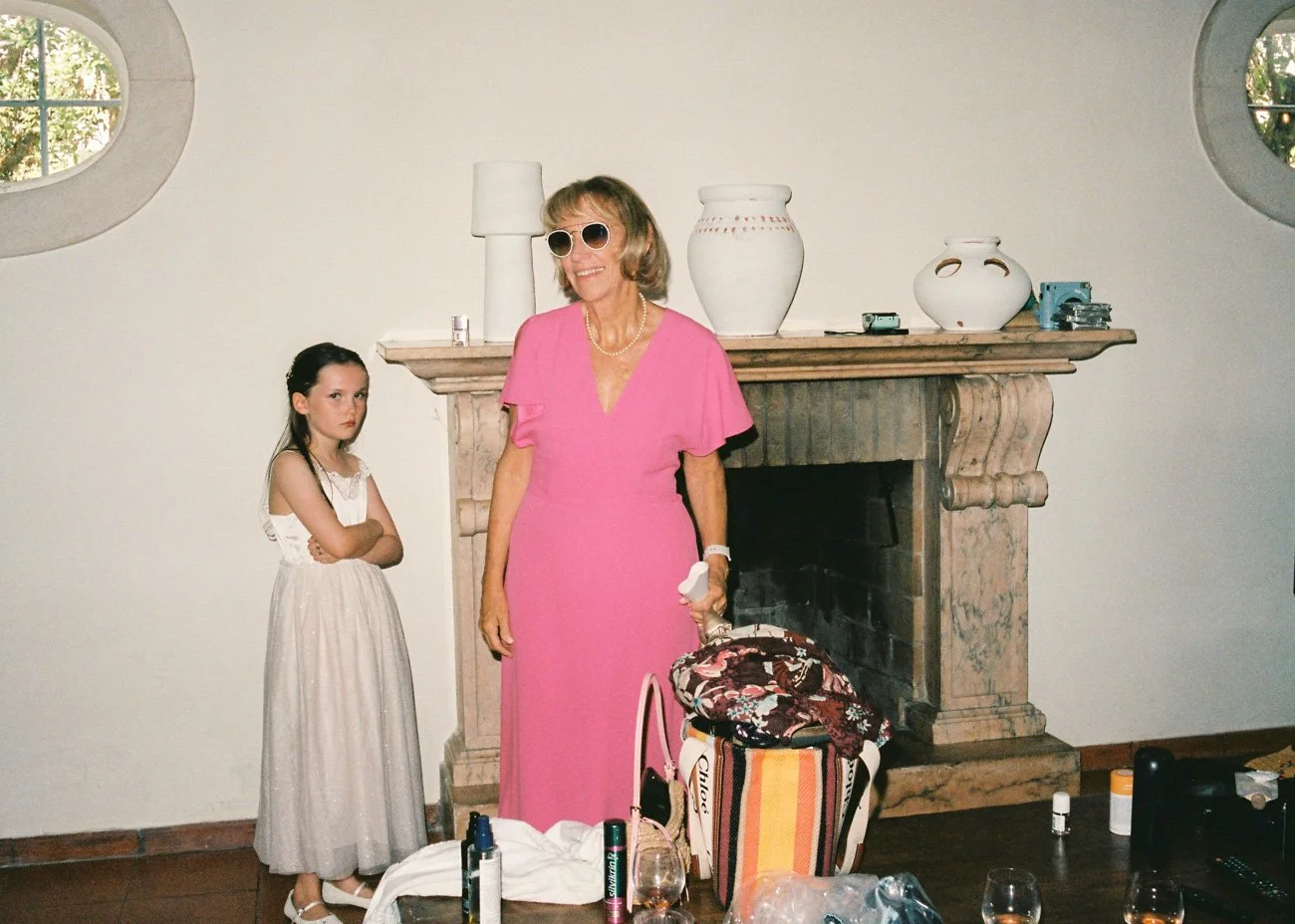
Lake Como is one of Italy's most popular wedding destinations for a reason. A place where incredibly well-preserved centuries-old architecture blends seamlessly with a dramatic and imposing natural landscape, creating an energy that is impossible to find elsewhere. Add to that the fact that the lake's water temperature is warm throughout Summer, and you have a recipe for an unforgettable wedding weekend. Unlike some of Italy's seaside locations, it's still possible to find parts of Lake Como that are not too crowded in the Summer months and still feel beautiful and authentic. Venues like grand Villa Balbiano and Villa Monastero, the more intimate Villa Vittoria and the romantic Villa Teodolinda are just some of the incomparable wedding venues and hotels that Lake Como has to offer, each with its own character. There are more than 30 villages surrounding Lake Como and it takes almost two hours to drive from the north of the lake to the south, so there's a lot to view and explore there - a landscape that can work as well for an intimate wedding or elopement as it does for a grand multi-day celebration.
LAKE COMO WEDDING PHOTOGRAPHER
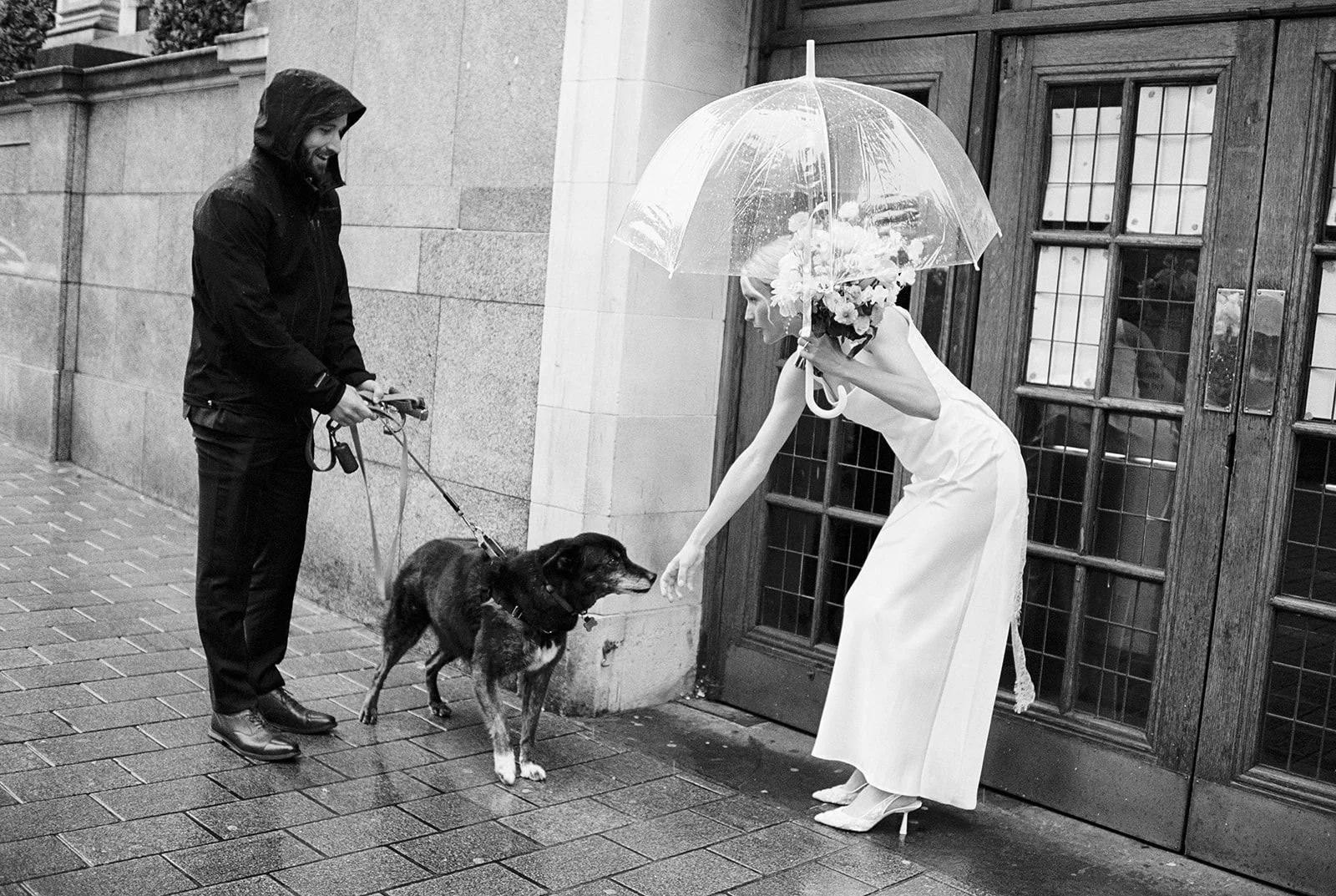
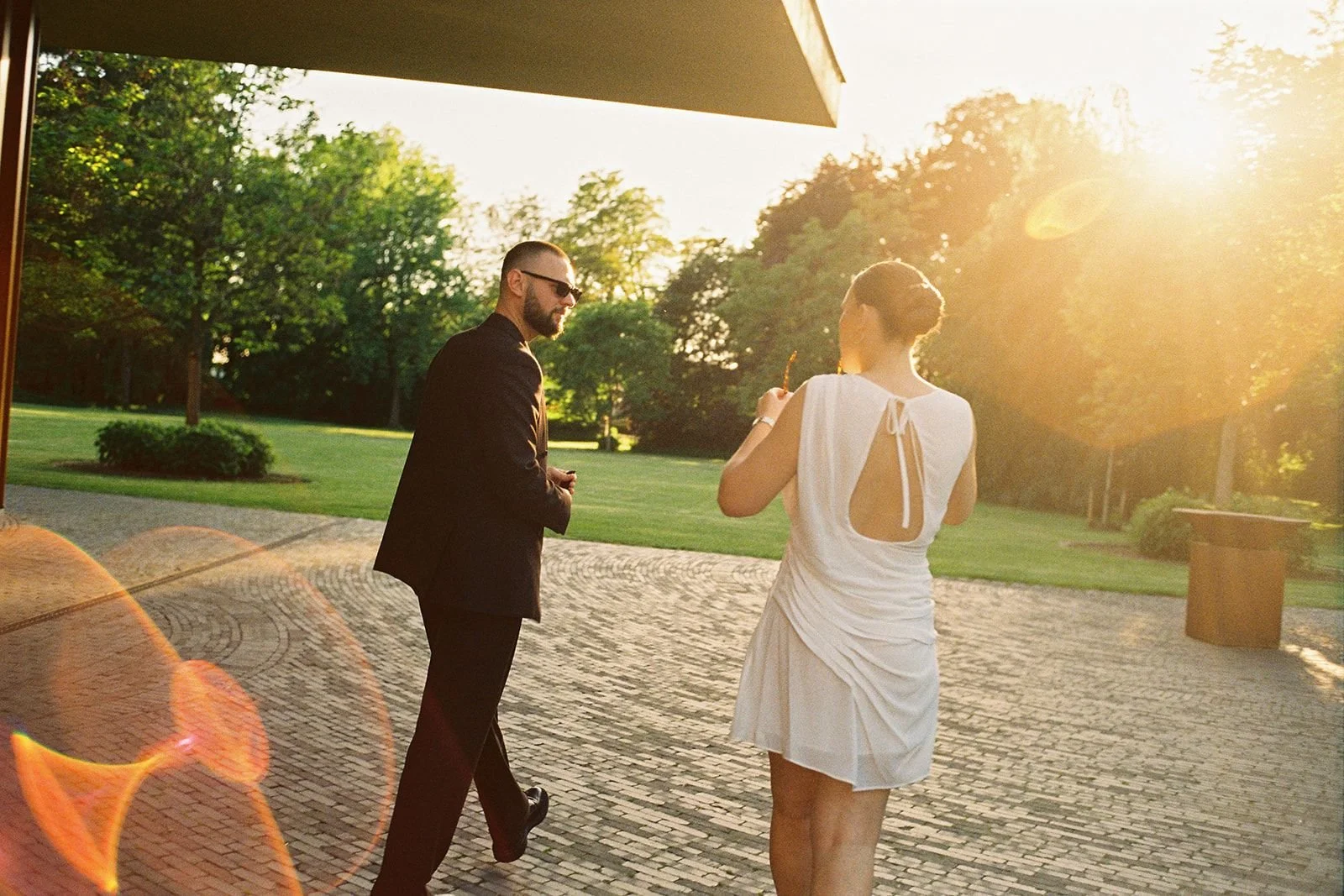

Kind Words From Couples
“Julia and Joana captured our wedding in the best way possible. They paid attention to detail and were able to document every important moment of the day. The pictures are artistic and reflect perfectly the atmosphere of the day. If we could, we would frame every picture and hang them all on our walls!”
“We can't recommend Julia enough!
If you're looking for someone who's incredibly talented but also just a genuinely lovely person to spend your wedding day with, Julia is it. We'll treasure these photos forever. Thank you so much, Julia! ❤️”
“Julia is incredible! We feel so lucky to have had her photograph our wedding day, and will always be in awe of her art. She has a way of truly understanding what it is you are looking for, and capturing it all so naturally. We couldn’t have asked for a better person to work with, and felt so comfortable with and trusting of her every step of the way.”
Lake Como Film Wedding Photographer
While film has been getting more attention in the past couple of years due to its “aesthetic” and many wedding photographers now use film as an add-on or an extra element added to a heavily digital approach, Julia chooses to work exclusively on film for a truly intentional, almost artisanal wedding photography experience. 35mm and Medium Format film are used together on each wedding to create a body of work that looks consistent, authentic and beautiful. You can read more about Julia's reasons to shoot film here.
Frequently Asked Questions
-
While there is nothing that film can't photograph, film cameras and digital cameras operate in wildly different ways, so it's very important to have the right expectations when working with film or having your wedding photographed on film. For example, while modern digital cameras tend to have a sensitivity to light that goes above the tens of thousands , the highest film sensitivity is just 3200 (and that is only available on black and white). This is something that can easily be fixed with the use of flash, but it is important to understand those differences when planning a wedding, especially when you don't like the look of flash or don't want your whole wedding to be photographed with flash (or when you don't want the flash to be triggered all the time during your ceremony, for example). On the other hand, film handles a high-contrast situation (like midday sun) way better than digital cameras. Film needs light. More than that: film thrives on light. But so do humans, so I think we're a perfect match.
-
Photographing exclusively on film doesn't necessarily mean delivering less photos, but I do choose to deliver less images than most digital photographs would do nowadays, mostly because I find the number of delivered images to be astronomical without any creative reason to support it. I make a conscious choice to focus on quality over quantity and to carefully select which moments should be photographed and how. When a good moment shows itself, I focus on taking just a few great images from it instead of multiple good images. I think numbers do matter when we are seeing photographs, and I don't want to overwhelm my couples with thousands of images that they can never find time to look at. Film is also expensive, so focusing on photographing with purpose means I can keep the final costs down and my prices still affordable.
I deliver 400-500 images on a typical wedding day, and I find that number to be perfect: enough images to tell the story of the day, but not too many that they lose meaning. -
In theory, there are more things that can go wrong with film because results are only seen long after the moment is gone. But I think of this more as a challenge and I don't think it makes film inherently riskier than digital, it just makes it harder to master (which is also part of the beauty of it). Film photographs are made through a chemical process: the same amount of light will always impact the same type of negative in the same way. Learning how to measure light and understand light (and your cameras) so that you can always predict your results as accurately as possible is the biggest part of learning how to shoot film. Once the roll is finished, there comes a second chemical process to turn the film into a negative, and then a digital process to turn the negative into digital scans. In my case, this final process is done by the best film lab in Europe. Once all those variables are under control and other small measures are in place to account for the fact that technical issues (a light leak, for example) can't be spotted right away, photographing exclusively on film becomes a very safe option and the question of film vs digital comes down to creative choices only.
-
Not really. Even though the process of developing and scanning film takes time and a digital image technically already exists on the day of the wedding, I find that most digital photographers take way longer than I do to deliver galleries. I aim to deliver final wedding galleries in 5 weeks, which is considered a fast delivery time in the industry.
-
Yes! All weddings are delivered as galleries containing high-res jpg files, with the option to add prints and albums as well.
-
No, the negatives stay with me and are archived in an acid-free environment to guarantee they remain damage-free for many decades in case you decide you want a darkroom print at some point down the line.